

Graduating from school is an exciting achievement, but for many Nigerian graduates, reality quickly sets in after NYSC. One of the biggest frustrations fresh graduates face is seeing job openings that require “2–5 years experience” even for entry-level roles.
The good news is this: you do not need years of experience to start building a successful career.
Every professional started somewhere, and many companies are willing to hire smart, trainable, and motivated candidates — even without formal work experience.
This practical guide will help NYSC members and recent graduates understand how to position themselves, build valuable skills, and increase their chances of getting hired faster in Nigeria.
Why Getting a First Job Feels Difficult in Nigeria
Nigeria’s job market is highly competitive. Thousands of graduates apply for the same opportunities daily, making it difficult for employers to review every application carefully.
Many companies also prefer candidates who already understand workplace environments and possess practical skills.
This is why standing out is extremely important.
1. Stop Waiting for the “Perfect Job”
One mistake many fresh graduates make is rejecting smaller opportunities while waiting for a dream job.
Your first job does not have to be perfect.
Focus on:
- Gaining experience
- Building confidence
- Learning workplace skills
- Expanding your network
Small opportunities can lead to bigger careers later.
2. Build Skills Employers Actually Need
Most employers care more about practical skills than academic grades alone.
Valuable Skills You Can Learn Quickly:
- Digital Marketing
- Graphic Design
- Microsoft Excel
- Customer Service
- Content Writing
- Social Media Management
- Data Analysis
- Programming
- Video Editing
Learning just one valuable skill can make your CV much stronger than thousands of other applicants.
3. Improve Your CV
Many graduates lose opportunities because their CV is poorly written.
Your CV should:
- Be clean and professional
- Highlight your strengths
- Include relevant skills
- Show internships or volunteer work
- Be easy to read
Even without formal work experience, you can include:
- NYSC experience
- SIWES
- School projects
- Volunteer activities
- Freelance work
4. Use Your NYSC Experience Properly
Many graduates underestimate the value of NYSC experience.
If you served in:
- A school
- Company
- Government office
- Hospital
- NGO
You already gained valuable workplace exposure.
Include:
- Responsibilities
- Achievements
- Skills learned
on your CV.
5. Apply Consistently
Job hunting requires patience and consistency.
Do not apply to only one or two jobs and give up.
Create a Daily Routine:
- Search for jobs daily
- Apply consistently
- Update your CV regularly
- Follow up professionally
The more quality applications you send, the higher your chances of success.
6. Learn How to Write Good Cover Letters
A strong cover letter can help you stand out, especially when you lack experience.
Your cover letter should:
- Introduce yourself briefly
- Explain why you are interested
- Highlight your skills
- Show enthusiasm to learn
Avoid copying generic templates online.
7. Build a LinkedIn Profile
Many recruiters now search for candidates on LinkedIn before hiring.
A professional LinkedIn profile can increase your visibility and credibility.
Include:
- Professional profile picture
- Skills
- Education
- Certifications
- Internship experience
Connect with recruiters and professionals in your industry.
8. Start Networking Early
Sometimes opportunities come through people, not online applications.
Attend:
- Career fairs
- Industry events
- Seminars
- Workshops
- Networking meetups
Tell people what kind of opportunities you are looking for.
9. Consider Internships and Volunteer Roles
Internships can help you gain:
- Experience
- Confidence
- Professional references
- Industry exposure
Some internships later become full-time jobs.
Volunteer work can also strengthen your CV significantly.
10. Prepare for Interviews
Many candidates lose opportunities during interviews because they lack preparation.
Common Questions You Should Practice:
- Tell us about yourself
- Why should we hire you?
- What are your strengths?
- What skills do you have?
Practice speaking confidently and professionally.
11. Avoid Job Scams
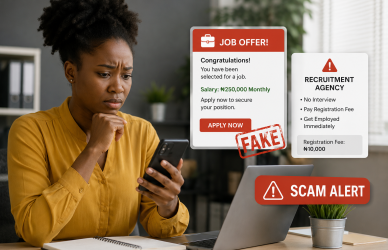
Unfortunately, many fake job offers target desperate graduates in Nigeria.
Be careful of recruiters asking for:
- Registration fees
- Training payments
- Account details
- Unnecessary charges
Legitimate employers rarely request money before hiring.
12. Gain Experience Through Freelancing
Freelancing is one of the fastest ways to gain practical experience and earn money.
You can offer services like:
- Writing
- Graphic design
- Social media management
- Web development
- Video editing
Freelance projects can strengthen your portfolio and CV.
13. Keep Learning and Improving
The job market changes constantly.
Successful graduates continue learning even after school.
Learn Through:
- YouTube
- Online courses
- Certifications
- Tutorials
- Mentorship
The more valuable your skills become, the more opportunities you attract.
Common Mistakes Fresh Graduates Should Avoid
Applying for Every Job Randomly
Focus on jobs related to your skills and career interests.
Depending Only on Connections
Networking helps, but skills and professionalism matter too.
Giving Up Too Quickly
Rejections are normal. Keep improving and applying.
Ignoring Small Opportunities
Your first opportunity could open bigger doors later.
Best Industries for Fresh Graduates in Nigeria
Several industries continue to offer opportunities for young professionals:
- Technology
- Banking
- Fintech
- Digital Marketing
- Customer Service
- Sales
- Logistics
- E-commerce
- Education
- Healthcare
Final Thoughts
Starting your career without experience may feel difficult, but it is completely possible. Many successful professionals in Nigeria started with little or no experience and gradually built strong careers through consistency, learning, and persistence.
Focus on:
- Building practical skills
- Improving your CV
- Networking
- Applying consistently
- Staying positive
Your first job may not define your entire future, but it can become the foundation for bigger opportunities ahead.
At MadeInNigeria Job Board, we are committed to helping Nigerian graduates and job seekers discover real opportunities, develop career skills, and connect with trusted employers across the country.