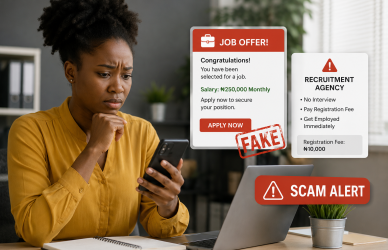


Job interviews are one of the most important steps in the hiring process. You can have a strong CV, good qualifications, and relevant skills, but still lose a job opportunity because of mistakes made during the interview.
In Nigeria’s competitive job market, employers are not only looking for qualified candidates — they are also looking for confident, professional, and well-prepared individuals.
Unfortunately, many job seekers unknowingly make simple mistakes that reduce their chances of getting hired.
This guide highlights the biggest interview mistakes Nigerian job seekers make and how to avoid them so you can impress recruiters with confidence.
1. Arriving Late for the Interview
Punctuality is one of the first things employers notice.
Arriving late creates a bad impression before the interview even begins. It may suggest that you are:
- Disorganized
- Unreliable
- Not serious about the job
How to Avoid It:
- Plan your route in advance
- Leave early
- Consider traffic delays
- Aim to arrive 15–30 minutes early
2. Poor Dressing and Appearance
First impressions matter a lot in interviews. Dressing unprofessionally can immediately reduce your chances of being hired.
Common Mistakes:
- Wearing wrinkled clothes
- Overly casual outfits
- Excessive perfume or accessories
- Untidy grooming
What to Do Instead:
- Dress formally or smart casual (depending on the job)
- Keep colors simple and neat
- Be clean and well-groomed
3. Not Researching the Company
Many candidates attend interviews without knowing anything about the company.
This is a major red flag to employers.
Why It’s a Problem:
It shows lack of interest and preparation.
What to Do Instead:
- Visit the company’s website
- Check their services or products
- Understand their mission and values
- Know the role you are applying for
4. Poor Communication Skills
How you speak during an interview matters just as much as your qualifications.
Common Communication Mistakes:
- Speaking too fast or too softly
- Using slang or informal language
- Giving unclear answers
- Rambling without structure
How to Improve:
- Speak clearly and confidently
- Keep answers simple and direct
- Practice common interview questions
- Maintain good eye contact
5. Not Preparing for Common Questions
Many job seekers are caught off guard because they fail to prepare.
Common Questions Include:
- Tell me about yourself
- Why do you want this job?
- What are your strengths and weaknesses?
- Where do you see yourself in 5 years?
Solution:
Practice your answers before the interview, but avoid memorizing word-for-word responses.
6. Lack of Confidence
Confidence plays a huge role in interview success.
Signs of Low Confidence:
- Avoiding eye contact
- Nervous body language
- Weak voice
- Over-apologizing
How to Fix It:
- Practice mock interviews
- Prepare well in advance
- Focus on your strengths
- Stay calm and positive
7. Talking Too Much or Too Little
Balance is very important during interviews.
Mistake 1: Talking Too Much
You may end up giving unnecessary information.
Mistake 2: Saying Too Little
Short answers may make you look unprepared.
Best Approach:
Give clear, structured answers using simple explanations and examples.
8. Not Asking Questions
When an interviewer asks, “Do you have any questions?” many candidates say “No.”
This is a mistake.
Why It Matters:
It shows lack of curiosity and interest.
What You Should Ask:
- What does a typical day in this role look like?
- What are the growth opportunities in this company?
- How is success measured in this position?
9. Lying or Exaggerating Skills
Some candidates inflate their experience or skills to impress employers.
This can backfire badly.
Risks:
- Being exposed during the interview
- Losing credibility
- Job offer withdrawal
Better Approach:
Be honest about your skills and show willingness to learn.
10. Poor Body Language
Non-verbal communication is very important.
Bad Body Language Includes:
- Slouching
- Fidgeting
- Avoiding eye contact
- Looking distracted
Good Body Language:
- Sit upright
- Smile naturally
- Maintain eye contact
- Stay attentive
11. Not Bringing Necessary Documents
Some candidates show up without important documents.
Always Bring:
- CV copies
- Certificates
- Identification
- Portfolio (if applicable)
Being prepared shows professionalism.
12. Being Unprepared for Salary Questions
Many job seekers panic when asked about salary expectations.
Mistakes:
- Giving unrealistic figures
- Saying “anything they offer”
- Not knowing market rates
Better Approach:
Research salary ranges before the interview and give a reasonable range.
13. Speaking Negatively About Past Employers
Even if you had a bad experience, avoid complaining during interviews.
Why It’s a Mistake:
It makes you look unprofessional and difficult to work with.
What to Do Instead:
Focus on what you learned and how you improved.
14. Not Showing Enthusiasm
Employers want people who are genuinely interested in the role.
Signs of Low Enthusiasm:
- Flat tone of voice
- Lack of questions
- No energy during conversation
Solution:
Show interest in the role and the company’s goals.
15. Failing to Follow Up After the Interview
Many candidates forget to follow up after an interview.
Why It Helps:
It shows professionalism and interest.
Simple Follow-Up:
Send a short thank-you message or email after the interview.
Final Thoughts
Job interviews are not just about qualifications — they are about presentation, communication, confidence, and preparation.
Avoiding these common mistakes can significantly improve your chances of getting hired in Nigeria’s competitive job market.
Remember:
- Prepare well
- Dress professionally
- Communicate clearly
- Stay confident
- Be honest and respectful
A strong interview performance can be the difference between rejection and landing your dream job.
At MadeInNigeria Job Board, we are committed to helping Nigerian job seekers succeed by providing career guidance, job opportunities, and resources to help you build a successful future.